Research Article | | Peer-Reviewed

Innovative Formulation and Quality Optimization of Herbal Pain Relief Oil Using Solar Thermal Technology

Received: 3 November 2025     Accepted: 17 November 2025     Published: 29 December 2025
Views:       Downloads:
Abstract

This study focused on preparing and optimizing herbal pain relief oil using solar thermal technology, specifically a solar box cooker, during winter and summer seasons. The performance of solar device was assessed through stagnation temperature and full-load tests using water and herbal pain relief oil, separately, measuring temperatures inside the cooker and pot, as well as ambient temperature, relative humidity, and solar radiation. Figures of merit (F1 and F2) were calculated to evaluate device efficiency. The herbal pain relief oil was formulated with mustard oil and varying proportions of nirgundi leaves (5%, 10%, 15%) and 5% of other raw herbs like ajwain, garlic, fenugreek and turmeric, processed for one or two days. The resulting oil was filtered, stored in sealed glass or plastic bottles, and subjected to laboratory analysis to determine pH, specific gravity, viscosity, acid value, saponification value, and refractive index. Sensory and organoleptic evaluations, including colour, odour, sensitivity, irritation, and overall acceptance, were conducted by 18 panellists, comparing the formulated oil to a commercial product. The optimal formulation, using 15% nirgundi leaves and 5% other herbs heated for two days in the box type cooker, yielded high quality yellowish green oil with a pH of 7.8, specific gravity of 0.92, viscosity of 29.09, acid value of 0.70, saponification value of 29.45, and refractive index of 1.38. This formulation, processed using the box type solar cooker, also demonstrated a profit margin of 50–60 ₹/L, highlighting the economic and environmental benefits of solar thermal technology for herbal oil production.

Published in American Journal of Agriculture and Forestry (Volume 13, Issue 6)
DOI 10.11648/j.ajaf.20251306.14
Page(s) 290-303
Creative Commons

This is an Open Access article, distributed under the terms of the Creative Commons Attribution 4.0 International License (http://creativecommons.org/licenses/by/4.0/), which permits unrestricted use, distribution and reproduction in any medium or format, provided the original work is properly cited.

Copyright

Copyright © The Author(s), 2025. Published by Science Publishing Group

Keywords

Solar Box Type Cooker, Herbal Pain Relief Oil, Ph, Specific Gravity, Viscosity, Acid Value, Saponification Value, Refractive Index

1. Introduction
Herbal pain relief oils, formulated by blending carrier oils such as mustard oil with essential oils and potent herbs like Vitex negundo (nirgundi) and Curcuma longa (turmeric) , have long been valued for their therapeutic efficacy. These oils provide rapid relief from various types of pain, including muscular aches, joint discomfort, and chronic conditions such as rheumatoid arthritis , headaches, and migraines. When applied topically through massage, these formulations alleviate muscle tension, reduce stiffness, and promote relaxation . The growing popularity of essential oil-based therapies reflects a broader trend toward alternative medicine, as evidenced by the expanding market for health, aromatherapy, and spa products . Specific herbs incorporated into these oils contribute distinct pharmacological properties. Ajwain (Trachyspermumammi) , known for its anaesthetic qualities, mitigates pain and swelling when applied as a crushed seed paste or infused in warm water soaks . Fenugreek (Trigonellafoenum-graecum) , or methi, exhibits anti-inflammatory effects, making it a valuable remedy for joint pain, particularly during colder months . Garlic (Allium sativum) , when warmed and mixed with a carrier oil, acts as a rejuvenator, enhancing blood circulation, reducing toxins, and relieving joint pain . Vitex negundo, referred to in Sanskrit as nirgundi meaning "that which protects the body from diseases" is traditionally used to address conditions such as joint pain (sandhi vata) and swelling. Similarly, turmeric, often termed "Indian saffron," is renowned for its anti-inflammatory, antioxidant, anticancer, and neuroprotective properties, making it a cornerstone of herbal formulations. The production of herbal pain relief oils has traditionally relied on energy-intensive methods, such as biomass stoves, liquid petroleum gas, or electric heating. However, the abundant availability of solar energy presents an eco-friendly alternative. Solar thermal technologies, particularly box type solar cookers , harness solar radiation to heat onto a pot, enabling applications such as cooking, pasteurization, sterilization, and herbal oil preparation . These devices offer significant advantages, including minimal maintenance, low operational costs, long-term durability, and the preservation of bioactive compounds in herbs due to gentle, slow heating. Recognizing these benefits, this study explores the formulation and quality enhancement of herbal pain relief oil using solar thermal technology, aiming to develop a sustainable and effective approach to producing high quality therapeutic oils.
2. Materials and Methods
The performance of the box type solar cooker was assessed through stagnation temperature and full load testing using water and herbal pain relief oil, separately, to evaluate its thermal efficiency.
2.1. Stagnation Temperature Test
Under this test, the solar cooker was positioned in an open, sunlit area without any raw materials or food inside. The air temperature within the cooker and the ambient temperature were recorded hourly from 08:00 to 17:00. Once the cooker reached a steady-state temperature, the maximum internal temperature (Tmax), the corresponding ambient air temperature (Ta), and the solar radiation intensity (Gs) were documented, following the methodology outlined by . The figure of merit, F1, defined as the ratio of optical efficiency to the heat loss coefficient, was subsequently calculated to quantify the cooker’s performance.
F1=tUL=Tps-TaGS
Where, F1 is First figure of merit; Tps is plate temperature of cooker, °C; Ta is ambient temperature, °C and Gs is Solar Radiation, W/m2.
2.2. Water Heating Test
An empty pot was precisely weighed prior to being filled with water maintained at an initial temperature of 30 ± 5°C. The pot was subsequently reweighed to determine the water mass. The pot was positioned within a solar cooker, with its reflective mirror to ensure consistent test conditions. Throughout the experiment, environmental parameters including ambient temperature, solar radiation, wind speed, and relative humidity were continuously monitored. The following procedural steps and measurements were executed:
1). The temperature of the water was recorded concurrently with the precise time of each measurement.
2). Data acquisition persisted until the water temperature surpassed 95°C.
3). Initial and final temperature time data pairs were selected, with the initial temperature (Tw1) ranging between 60°C and 65°C and the final temperature (Tw2) between 90°C and 95°C, corresponding to times t1 and t2, respectively.
4). The average ambient air temperature (Ta) was computed over the time interval from t1 to t2.
5). The average solar radiation (Gs) was calculated over the same time interval (t1 to t2).
6). The second figure of merit (F2) was determined using the formula based on the collected data.
F2=F1(MC)wATln1- (Tw1-Ta)F1Gs1-(Tw2-Ta)F1Gs
Where, (MC)W is product of mass of water and specific heat in J/°C; A is aperture area of the cooker of cover plate in m²; T is time taken for heating from Tw1 and Tw2 in seconds; Gs is average radiation over time period (t2 – t1) in W/m2.
2.3. Heating Test with Herbal Pain Relief Oil
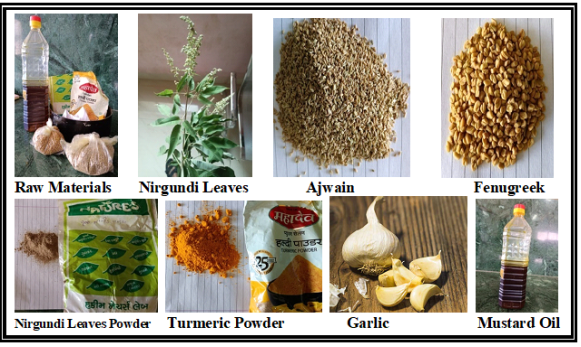
The composition of the herbal pain relief oil is detailed in Table 1 and Figure 1. The herbs, including ajwain, fenugreek, garlic, and turmeric, were procured and precisely weighed at 25 g each (5% of the total formulation). These were ground and blended with nirgundi leaves at varying proportions of 25 g (5%), 50 g (10%), and 75 g (15%). The herbal mixture was combined with 500 ml of mustard oil and placed in a pot within a box type solar cooker. The mixture was subjected to solar heating for durations of one and two days, as depicted in Figure 2. For comparative analysis, the same formulation was processed using traditional methods on a Chulha for 15 to 20 minutes or until a noticeable color change occurred. Subsequently, the oil was filtered through filter paper or cotton cloth and stored in glass bottles for further organoleptic evaluation, as shown in Figure 2.
Table 1. Composition of herbal pain relief oil.

Ingredients

Quantity (500 ml Base)

5% Nirgundi

10% Nirgundi

15% Nirgundi

Mustard oil

500 ml

500 ml

500 ml

Nirgundi Leaves

25 g (5%)

50 g (10%)

75 g (15%)

Ajwain

25 g (5%)

25 g (5%)

25 g (5%)

Fenugreek

25 g (5%)

25 g (5%)

25 g (5%)

Garlic

25 g (5%)

25 g (5%)

25 g (5%)

Turmeric

25 g (5%)

25 g (5%)

25 g (5%)

2.4. Physicochemical Characterization
The formulated herbal pain relief oil was subjected to a detailed physicochemical analysis to determine its pH, specific gravity, viscosity, acid value, saponification value and refractive index, as illustrated in Figure 2.
2.5. Organoleptic Assessment
Organoleptic evaluations were conducted to assess attributes such as sensitivity, irritation, color, and odor. These tests were performed by applying and observing the responses to the herbal oil formulations containing 5%, 10%, and 15% nirgundi, combined with 5% of other herbs (ajwain, fenugreek, garlic, and turmeric). The oils were prepared using a box type solar cooker for one and two days, as well as via traditional methods, to compare their organoleptic profiles.
2.6. Sensory Evaluation
Sensory analysis was conducted at the Department of REE, CAET, Dediapada. Various samples of the herbal oil were presented to a panel of ten trained panelists, selected for their ability to discern and rate a wide range of sensory attributes. The panelists evaluated the oil for sensitivity, irritation, color, and odor using a 9-point hedonic scale (1 = Dislike extremely, 9 = Like extremely). Additionally, a semi-trained panel comprising 18 students and faculty members from CAET, Dediapada, assessed the oils for appearance, color, and overall acceptability on the same 9-point hedonic scale. Panelists, unaware of the project objectives, were provided with samples coded with two-digit random numbers, presented in a counterbalanced order. They were instructed to rinse and swallow water between samples and to evaluate the products based on written guidelines focusing on sensitivity, irritation, color, and odor.
Figure 1. Composition of raw materials for the formulation of herbal pain relief oil.
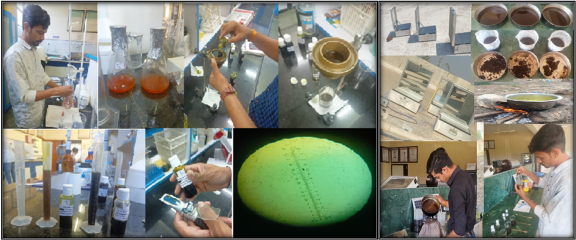
Figure 2. Experimental configuration for the production and filtration of herbal pain relief oil.
2.7. Statistical Analysis
Statistical analysis of the herbal pain relief oil was performed to evaluate significant differences in parameters such as pH, specific gravity, acid value, saponification value, refractive index, viscosity, color, odor, sensitivity, irritation, and overall acceptability. The data were analyzed for CD values and CV% and were uploaded to the official ICAR website for statistical analysis.
3. Results and Discussion
3.1. Stagnation Temperature Test
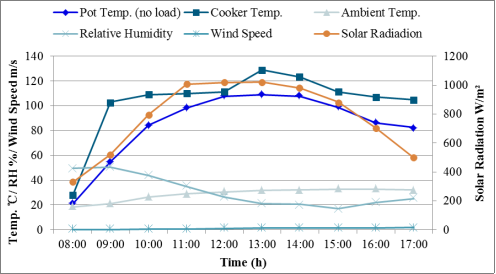
Figure 3. Thermal performance test during stagnation temperature test.
The performance evaluation of solar cooker was carried out in terms of no-load testing and full load testing. The figure of merits F1 and F2 was calculated whose values should be greater than 0.11 and 0.38 respectively. The data on no load testing the cooker without containers, with reflector for winter are present in Figure 3. It was observed that the temperature inside the pot was found more than temperature observed in chamber inside of solar cooker which was 20°C more. The maximum temperature achieved by cooker was 129°C in winter at 13:00 hrs meanwhile the ambient temperature was 31.9°C, humidity was 21%, wind speed 1.2 m/s and solar radiation was observed 1020 W/m2.
3.2. Water Heating Test
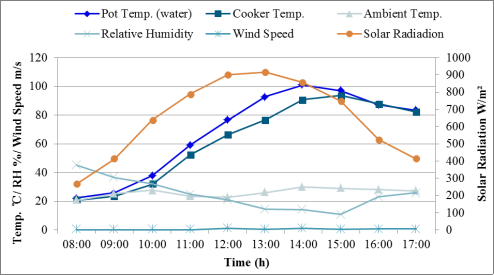
The performance of box type solar cooker was evaluated with load test as filling water in container with reflector for winter and the variation in solar intensity and ambient air temperature is presented in Figure 4. It was observed that the average temperature inside the pot was found more than temperature observed in chamber inside of solar cooker which was 6°C less. The maximum temperature achieved by cooker was 93.85°C in winter at 15:00 h meanwhile the ambient temperature was 29.05°C, humidity was 11%, 0.4 m/s wind speed and 749 W/m2 solar radiations was observed.
Figure 4. Thermal performance test under water heating test.
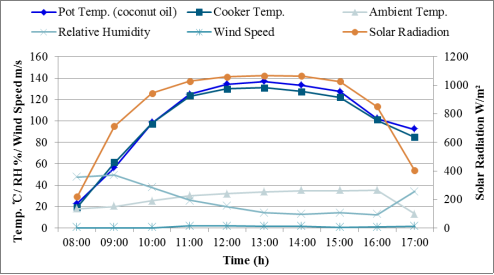
3.3. Heating Test with Mustard Oil
The performance of box type solar cooker was evaluated with heating test as filling mustard oil in container with reflector for winter are present in Figure 5. It was observed that the temperature inside the pot was found more than temperature observed in chamber inside of solar cooker which was less. The maximum temperature achieved by cooker was 131.1°C in winter at 13:00 h meanwhile the ambient temperature was 33.9°C, humidity was 14.5%, 1.5 m/s wind speed and 1069 W/m2 solar radiation was observed. During the evaluation of box type solar cooker for heating of 500 ml oil testing, no loss was found during the test. It was also observed that oil obtain more temperature than water in box type solar cooker which is around 37°C more.
Figure 5. Thermal performance test under heating test withmustard oil.

3.4. Load Testing of Solar Cooker Using Formulated Herbal Pain Relief Oil
The performance of box type solar cooker was evaluated with load test as filling with 5% nirgundi leaves powder and 5% herbs (ajwain, fenugreek, garlic, turmeric) formulated oil for one day in container with reflector for winter are presented in Table 2. It was observed that the temperature inside the pot was found more than temperature observed in chamber inside of solar cooker which was 11.3°C more. The maximum temperature achieved by cooker was 121°C in winter at 14 h meanwhile the ambient temperature was 38.2°C, humidity was 10%, 1.5m/s wind speed and 1066 W/m² solar radiation was observed. Total 500 ml mustard oil along with 125 g of mix powder of five herbal as 25 g poured in mustard oil in pot and put up it on box type solar cooker for day and day after day. It was observed that yellowish green colour was observed at end of day evaluation and 400 ml herbal pain relief oil was obtain in first filtration. It means 100 ml oil was soaked by herbs paste. Similarly solar cooker was evaluated for 10% and 15% share of nirgundi leaves powder and rest of selected herbs in 500 ml mustard oil upto two days and all observed parameter were depicted in Table 2.
Table 2 presents a comprehensive evaluation of the performance of a box type solar cooker in the formulation of herbal pain relief oil, with varying concentrations of nirgundi leaves (5%, 10%, and 15%) combined with a consistent 5% of other herbal ingredients, over one and two days of heating. The table also juxtaposes these results with those obtained from traditional processing methods to highlight the efficacy of solar thermal technology. The evaluated parameters include thermal conditions (average, maximum, and minimum temperatures in the cooking pot), environmental factors (average humidity, wind speed, and solar radiation), and oil yield metrics (oil gain and loss in mm and%). This detailed analysis provides insights into the efficiency, quality, and viability of using solar cookers for herbal oil production.
Table 2. Comparative analysis of solar cooker performance for herbal pain relief oil formulation.

Evaluation Parameter

1 Day

2 Days

Nirgundi

5%

10%

15%

5%

10%

15%

Rest herbs

5%

5%

5%

5%

5%

5%

Average temp. (°C) in pot

92.7

93.4

97.5

82.2

83.5

83.3

Max. temp. (°C) in pot

118.5

120

123.7

115.7

114.9

114.5

Min. temp. (°C) in pot

27.0

27.2

23.9

26.6

26.7

27.7

Average humidity,%

20.4

20.4

20.4

18.8

18.8

18.8

Average wind speed, m/s

1.3

1.3

1.3

1.2

1.2

1.2

Average solar radiation, W/m2

882

882

882

813

813

813

Oil gain, ml (%)

400 (80%)

390 (78%)

355 (71%)

410 (82%)

390 (78%)

350 (70%)

Oil loss, ml (%)

100 (20%)

110 (22%)

145 (29%)

90 (18%)

110 (22%)

150 (30%)

Traditional Method

Oil gain, ml (%)

400 (80%)

380 (76%)

350 (70%)

Oil loss, ml (%)

100 (20%)

120 (24%)

150 (30%)

On the first day, the average pot temperature ranged from 92.7°C to 97.5°C, with the highest temperature recorded at 123.7°C for the 15% nirgundi formulation. The maximum temperatures were consistently higher on the first day (118.5 to 123.7°C) compared to the second day (114.5 to 115.7°C), likely due to sustained solar exposure and heat retention. Minimum temperatures remained relatively stable, ranging from 23.9°C to 27.7°C across both days, indicating consistent thermal stability during non-heating periods. The 15% nirgundi formulation on the first day exhibited the highest average temperature (97.5°C), suggesting optimal heat absorption for this composition. Environmental parameters, including average humidity (20.4% on day 1 and 18.8% on day 2), wind speed (1.3 m/s on day 1 and 1.2 m/s on day 2), and solar radiation (882 W/m² on day 1 and 813 W/m² on day 2), remained relatively consistent within each day. These conditions reflect the stable solar input and ambient environment conducive to effective solar cooking.
Oil gain was highest for the 5% nirgundi formulation, yielding 400 ml (80%) on the first day and 410 ml (82%) on the second day. In contrast, the 15% nirgundi formulation resulted in lower yields of 355 ml (71%) on the first day and 350 ml (70%) on the second day, indicating that higher nirgundi concentrations may lead to increased oil loss. Oil loss ranged from 90 ml (18%) to 150 ml (30%), with the highest losses observed in the 15% nirgundi formulation (145 ml on day 1 and 150 ml on day 2). This suggests that higher herbal concentrations may contribute to greater evaporation or degradation during processing. Compared to the traditional method, the box type solar cooker demonstrated comparable oil yields, with the 5% nirgundi formulation achieving identical oil gain (400 ml, 80%) on the first day. However, the traditional method showed slightly higher losses for the 10% and 15% formulations (120 ml and 150 ml, respectively) compared to the solar cooker on the second day.
The data underscores the box type solar cooker’s potential as an efficient and sustainable alternative to traditional methods for producing herbal pain relief oil. The 5% nirgundi formulation consistently delivered the highest oil yield with minimal loss, suggesting an optimal balance of herbal concentration and thermal efficiency. The slight variations in temperature and yield across the two days highlight the influence of environmental factors and processing duration on oil quality and quantity. These findings advocate for the adoption of solar thermal technology in herbal oil production, offering an eco-friendly and cost effective approach that aligns with global sustainability goals. This table provides a robust foundation for further research into optimizing herbal formulations and scaling solar based processing techniques for pharmaceutical applications, ensuring both economic viability and environmental benefits.
3.5. Physicochemical Characterization
The physicochemical properties of herbal pain relief oil, formulated using a box type solar cooker, were evaluated for various parameters, including pH, specific gravity, viscosity, acid value, saponification value, and refractive index. The formulations comprised 5%, 10%, and 15% nirgundi leaf powder combined with a consistent 5% concentration of four additional herbs, processed over one, two, and three days. Detailed results are presented in Table 3. The pH of the formulated herbal oil ranged higher than that of commercial massage oils (5.56 to 6.01), indicating a more alkaline profile, consistent with findings by . The specific gravity of the produced oil was less than 1, suggesting it remains buoyant in water, a desirable characteristic for herbal oils as noted by . The viscosity of the formulated oil was lower than the standard range for mustard oil (34.19 to 43.38 Pa·s; , signifying favorable flow properties and good condition. The acid value of the herbal oil was within the acceptable limit of less than 2 mg KOH/g , confirming its suitability for use. Similarly, the saponification value was lower than that of nirgundi oil (148.22 mg KOH/g; , indicating high purity and quality. The refractive index of the produced oil fell below the range for medicated oils (1.47 to 1.50); , further validating its optimal condition. These results collectively demonstrate that the herbal pain relief oil produced using the box type solar cooker meets or exceeds established quality standards, highlighting the efficacy of solar thermal technology for sustainable and high-quality herbal oil production.
Table 3. Physicochemical analysis of herbal pain relief oil.

Treatment

Day

Nirgundi Leaves (NL) / Powder (P)

Herbs

pH

Specific gravity

Viscosity, Pa.s

Acid value, mg KOH/gm

Saponification value, mg KOH/g

Refractive index

T1

1

5% P

5%

6.97

0.87

28.72

1.07

32.73

1.36

T2

2

5% P

5%

7.17

0.91

29.31

1.16

31.33

1.37

T3

1

10% P

5%

7.50

0.91

28.40

1.40

32.73

1.37

T4

2

10% P

5%

7.33

0.91

28.17

1.07

32.73

1.37

T5

1

15% P

5%

7.03

0.91

28.58

1.16

34.13

1.38

T6

2

15% P

5%

7.37

0.91

28.95

1.07

31.33

1.38

T7

2

5% NL

5%

7.67

0.89

28.76

1.15

29.92

1.38

T8

2

10% NL

5%

7.57

0.91

28.21

1.07

30.39

1.37

T9

2

15% NL

5%

7.77

0.91

29.14

0.82

29.92

1.38

T10

Traditi-onal method

5% NL

5%

7.47

0.89

29.45

1.40

33.19

1.38

T11

10% NL

5%

7.47

0.91

29.59

1.16

34.59

1.37

T12

15% NL

5%

7.53

0.92

28.76

1.40

34.13

1.38

Maximum

7.77

0.92

29.59

1.40

34.59

1.38

Minimum

6.97

0.87

28.17

0.82

29.92

1.36

Mean

7.47

0.91

28.76

1.15

32.73

1.38

CV%

0.75

1.38

0.25

13.71

2.51

0.12

CD @5

0.13

0.02

0.12

0.36

1.85

0.00

3.6. Statistics Analysis of Herbal Pain Relief Oil
Physicochemical data for herbal pain-relief oil, formulated using a box-type solar cooker, were subjected to rigorous statistical analysis via an advanced online platform, with results indicating statistical significance at a 5% level. Table 4 compares the physicochemical properties of the formulated oil, prepared with 5% and 15% nirgundi powder and 15% nirgundi leaves (all evaluated on day 2), against mustard oil standards, reference pain relief oils, and commercial products. Parameters assessed included color, odor, pH, specific gravity, viscosity, acid value, saponification value, and irritation potential. The formulated oil consistently exhibited a yellowish green color and a pungent, sharp flavor, aligning with desirable sensory characteristics. Its pH (7.4 to 7.8) was notably more neutral than commercial oils (3.75 to 5.8), while specific gravity (0.9 to 0.92) and viscosity (289.50 to 293.62 mP) fell within optimal ranges, indicating excellent physical properties. The acid value (0.70 to 1.16 mg KOH/g) and saponification value (29.45 to 30.85 mg KOH/g) were significantly lower than reference standards, suggesting high purity and stability. Furthermore, the formulated oil was non-irritant, contrasting with the slight irritation observed in mustard oil and some reference oils. These results underscore the efficacy of box type solar cooker technology in producing superior-quality, non-irritant herbal pain-relief oil, offering a sustainable and cost effective alternative for pharmaceutical applications.
Table 4 provides a comprehensive comparison of the physicochemical properties of herbal pain relief oil formulated using a box type solar cooker, benchmarked against mustard oil, established reference ranges for pain relief oils , and commercial products. The formulated oils, prepared with 5% nirgundi powder, 15% nirgundi powder, and 15% nirgundi leaves (all evaluated on day 2), were assessed for color, odor, pH, specific gravity, viscosity, acid value, saponification value, and irritation potential.
Table 4. Comparative physicochemical assessment of herbal pain-relief oil formulated using box type solar cooker.

Parameters

Range of mustard oil

Reference range for pain relief oil

Panchaguna taila

Massage oil

Formulated herbal oil in box type solar cooker (For 2 Days testing)

5% Nirgundi powder

15% Nirgundi powder

15% Nirgundi leaves

Colour

Reddish-Brown

Greenish Brown

Greenish Brown

Pale Brown

Yellowish Green

Yellowish Green

Yellowish Green

Odour

Pungent Sharp Flavour

Aromatic

Absent

Characteristic

Pungent Sharp Flavor

Pungent Sharp Flavor

Pungent Sharp Flavor

pH Value

4.73 +/- 0.14

3.83-4.08

3.75

5.8

7.6

7.4

7.8

Specific Gravity

0.910

0.9581-0.9613

0.9106-0.9259

0.90+/- 0.02

0.9

0.92

0.9

Viscosity (milipoise -mp)

117.27 mp

289 mp

Absent

Absent

293.62

289.50

290.87

Acid Value (mg KOH/g)

1.12 +/-0.04

2.171-3.384

2.02

0.651 +/- 0.005

1.16

0.93

0.70

Saponification Value (mg KOH/g)

125.6

186.155-188.240

160-184

186 +/- 0.05

30.85

30.85

29.45

Irritation

Slightly Irritation

Slightly Irritation

Non-Irritant

No Irritation

No Irritation

No Irritation

No Irritation

The formulated oils exhibited a consistent yellowish green color, distinct from the reddish brown of mustard oil, greenish brown of reference oils, and pale brown of massage oil. This vibrant hue suggests high quality extraction and preservation of herbal pigments. The odor was characterized as a pungent, sharp flavor across all formulated oils, aligning with mustard oil but differing from the aromatic or absent odors of reference and commercial oils, indicating a robust herbal profile. The data in Table 4 highlight the superior quality of the herbal pain relief oil produced using a box type solar cooker, particularly in terms of neutral pH, low acid and saponification values, and non-irritant properties. These attributes position the formulated oil as a competitive alternative to commercial products, with the added benefit of sustainable production via solar thermal technology. The statistical significance at a 5% level further validates the reliability of these findings, supporting the adoption of box type solar cookers for eco-friendly, high quality herbal oil production in pharmaceutical contexts.
The formulated oils demonstrated pH values ranging from 7.4 to 7.8, significantly more neutral than mustard oil (4.73 ± 0.14), reference oils (3.83 to 4.08), Panchaguna Taila (3.75), and massage oil (5.8). This near-neutral pH enhances skin compatibility and stability. The specific gravity of the formulated oils (0.9 to 0.92) was comparable to mustard oil (0.910) and massage oil (0.90 ± 0.02), and slightly lower than reference ranges (0.9581 to 0.9613 and 0.9106 to 0.9259). These values indicate that the formulated oils are buoyant in water, a desirable trait for topical applications. Viscosity for the formulated oils ranged from 289.50 to 293.62 mP, closely aligning with the reference value (289 mP) and exceeding that of mustard oil (117.27 mP). The absence of viscosity data for commercial oils highlights the formulated oils’ favorable flow properties, suitable for massage applications. The acid value of the formulated oils (0.70 to 1.16 mg KOH/g) was well below the reference range (2.171 to 3.384 mg KOH/g) and comparable to or lower than mustard oil (1.12 ± 0.04), Panchaguna Taila (2.02), and massage oil (0.651 ± 0.005). This indicates high stability and low free fatty acid content, enhancing shelf life. The saponification value of the formulated oils (29.45 to 30.85 mg KOH/g) was substantially lower than mustard oil (125.6 mg KOH/g), reference ranges (160 to 188.240 mg KOH/g), and commercial oils (186 ± 0.05 mg KOH/g). This suggests a lower molecular weight of fatty acids, indicative of high purity. Unlike mustard oil and reference oils, which exhibited slight irritation, the formulated oils were non-irritant, matching the non-irritant properties of commercial oils. This underscores their suitability for sensitive skin applications.
3.7. Sensory Evaluation of Herbal Pain Relief Oil
Table 5. Sensory evaluation of herbal pain relief oil.

Treatment

Colour

Odour

Sensitivity

Irritation

Overall Acceptability

T1

8.0

6.3

6.7

7.0

7.0

T2

7.7

7.0

8.0

8.3

7.8

T3

7.0

7.0

7.0

8.0

7.3

T4

8.0

7.0

7.7

7.0

7.4

T5

8.0

8.3

8.0

7.0

7.9

T6

8.0

7.0

7.7

9.0

7.9

T7

7.0

6.0

7.0

8.0

7.0

T8

8.0

8.0

7.0

7.0

7.5

T9

8.0

8.0

8.0

8.0

8.0

T10

7.0

6.0

7.0

6.0

6.5

T11

6.3

6.0

7.0

6.3

6.4

T12

8.7

8.0

8.0

7.7

8.1

Maximum

8.7

8.3

8.0

9.0

8.1

Minimum

6.3

6.0

6.7

6.0

6.4

Mean

8.0

7.0

7.3

7.3

7.5

CV%

3.8

3.3

3.9

3.9

1.8

CD@5

0.5

0.4

0.5

0.5

0.2

A sensory evaluation of herbal pain relief oil was conducted by a panel of 18 trained panelists, who assessed the oil's quality based on color, odor, sensitivity, irritation, and overall acceptability, using a 9-point scoring scale. The findings indicate that treatment T6 for herbal hair oil and treatments T6 and T9 for herbal pain relief oil exhibited superior sensory attributes compared to other formulations. Statistical analysis of the physicochemical and sensory data, processed through an advanced online statistical platform, confirmed that the treatments were statistically significant at a 5% level of significance. These results underscore the efficacy of the box type solar cooker in producing high quality herbal pain relief oil with favorable sensory characteristics, offering a sustainable and effective solution for pharmaceutical applications.
Table 5 provides a comprehensive overview of the sensory attributes of herbal pain relief oil across 12 treatments (T1 to T12), as assessed by a panel of 18 trained panelists. The evaluation criteria included color, odor, sensitivity, irritation, and overall acceptability, each scored on a 9-point hedonic scale, where higher scores indicate better sensory quality. The table also includes statistical metrics such as maximum, minimum, mean, CV%, and critical difference at 5% significance (CD@5), providing a robust analysis of the sensory performance of the formulated oils.
Colour scores ranged from 6.3 (T11) to 8.7 (T12), with a mean of 8.0, indicating generally high visual appeal. Treatment T12 achieved the highest score, suggesting an optimal yellowish-green hue, a desirable trait for herbal oils. The low CV% (3.8) and CD@5 (0.5) reflect consistent color perception across treatments. Odor scores varied from 6.0 (T7, T10, T11) to 8.3 (T5), with a mean of 7.0. Treatment T5’s high score indicates a particularly favorable pungent, sharp flavor, aligning with consumer preferences for herbal oils. The CV% (3.3) and CD@5 (0.4) suggest minimal variability in odor perception. Sensitivity scores, reflecting skin compatibility, ranged from 6.7 (T1) to 8.0 (T2, T5, T9, T12), with a mean of 7.3. The high scores for T2, T5, T9 and T12 indicate excellent tactile properties, with low variability (CV% = 3.9, CD@5 = 0.5). Irritation scores, assessing skin tolerance, ranged from 6.0 (T10) to 9.0 (T6), with a mean of 7.3. Treatment T6’s perfect score of 9.0 highlights its non-irritant nature, a critical factor for topical applications. The CV% (3.9) and CD@5 (0.5) indicate consistent panelist agreement. Overall acceptability scores ranged from 6.4 (T11) to 8.1 (T12), with a mean of 7.5. Treatment T12 achieved the highest score, reflecting superior sensory performance across all parameters. The notably low CV% (1.8) and CD@5 (0.2) suggest high reliability and consistency in overall acceptability.
The low CV% values (1.8 to 3.9) across all parameters indicate minimal variation in panelist responses, reinforcing the reliability of the sensory evaluation. The CD@5 values (0.2 to 0.5) confirm that differences between treatments are statistically significant at the 5% level, validating the distinct sensory profiles of the formulations. Treatments T6, T9, and T12 consistently scored high across multiple parameters, with T6 excelling in irritation (9.0) and T12 leading in color (8.7) and overall acceptability (8.1). These treatments likely represent the optimal formulations for consumer preference. The sensory evaluation data in Table 5 demonstrate the superior quality of the herbal pain relief oil produced using a box type solar cooker, particularly for treatments T6 and T12, which exhibit exceptional sensory attributes. The non-irritant nature, vibrant color, and favorable odor profile of these formulations enhance their suitability for pharmaceutical applications. The statistical significance at the 5% level further validates the reliability of these findings, supporting the adoption of solar thermal technology as a sustainable, efficient, and consumer-preferred method for producing high-quality herbal oils. These results provide a strong foundation for further optimization and commercialization of solar-processed herbal pain-relief oils.
3.8. Economic Analysis of Herbal Pain Relief Oil
The economic viability of producing herbal pain relief oil using a box type solar cooker was assessed by analyzing the input costs of herbal ingredients, including mustard oil and varying concentrations of nirgundi powder (5:5, 10:5, and 15:5 ratios with other herbs), across different processing methods. The results, detailed in Tables 6, 7 and 8, reveal variations in production costs influenced by differences in oil recovery rates and extraction efficiencies. Statistical analysis confirmed that the cost differences were significant at a 5% level, highlighting the cost-effectiveness of the solar cooker method. Compared to commercially available pain relief oils, the formulated oil demonstrated competitive pricing, underscoring the potential of solar thermal technology as a sustainable and economically advantageous approach for producing high quality herbal oils in pharmaceutical applications.
Table 6 outlines the costs associated with producing 500 ml of herbal pain relief oil using varying concentrations of nirgundi powder (5%, 10%, and 15%) combined with a fixed 5% of other herbs (ajwain, fenugreek, turmeric powder, and garlic). The costs are calculated for two days of processing. Higher nirgundi concentrations increased raw material costs, with the 15:5% formulations being the most expensive. Day 2 costs were consistently higher due to doubled labor expenses, indicating that single-day processing may be more cost-efficient. Table 7 adjusts production costs based on oil recovery rates and compares the formulated oil’s selling price with market-available products. The 5:5% formulations yielded the highest recovery (410 ml on Day 2), while the 15:5% formulation had the lowest (350 ml on Day 2). Lower recovery rates in higher nirgundi concentrations likely result from increased herbal mass affecting extraction efficiency. Production costs per 500 ml, adjusted for recovery, ranged from ₹337.8 (5:5%, Day 1) to ₹618.2 (15:5%, Day 2). Lower recovery rates increased per unit costs, particularly for the 15:5% formulation. Selling costs, including a 10% profit margin, ranged from ₹371.6 (5:5%, Day 1) to ₹618.2 (15:5%, Day 2). The formulated oil’s selling cost per 100 ml was significantly lower than commercial products: ₹99.3 (5% nirgundi, Day 2) and ₹123.4 (15% nirgundi, Day 2) compared to ₹263 for Dr. Ortho pain-relief oil and ₹220 for IMC Ayurvedic Herbal Pain Away oil. This competitive pricing highlights the economic advantage of the solar cooker method, particularly for the 5:5% formulations on Day 2.
The statistical significance at the 5% level confirms that variations in costs and recovery rates across treatments are meaningful, reflecting the impact of formulation and processing duration. The 5:5% formulation on Day 2 offers the best balance of high recovery (82%) and low production cost (₹ 451.5), resulting in a competitive selling price of ₹ 99.3 per 100 ml. These findings demonstrate the economic feasibility of using box-type solar cookers for herbal oil production, offering a sustainable alternative to conventional methods while maintaining cost-effectiveness and market competitiveness. The data provide a strong foundation for scaling up solar-based production processes in the pharmaceutical industry.
Table 6. Input cost (₹.) for producing herbal pain relief oil.

Method (Nirgundi: Rest Herbs)

5:5%

5:10%

5:15%

Material

Market Prize ₹/kg

Day 1

Day 2

Day 1

Day 2

Day 1

Day 2

Mustard oil

200.0

100.0

100.0

100.0

100.0

100.0

100.0

Nirgundi powder

1250.0

31.3

31.3

62.5

62.5

93.8

93.8

Ajwain

720.0

18.0

18.0

18.0

18.0

18.0

18.0

Fenugreek

200.0

5.0

5.0

5.0

5.0

5.0

5.0

Turmeric powder

400.0

10.0

10.0

10.0

10.0

10.0

10.0

Garlic

240.0

6.0

6.0

6.0

6.0

6.0

6.0

Labour cost

100.0

100.0

200.0

100.0

200.0

100.0

200.0

Total production cost

-

270.2

370.2

301.5

401.5

332.7

432.7

Profit (10% of production cost)

-

27.0

37.0

30.2

40.2

33.3

43.3

Selling Cost (500 ml)

-

297.2

407.2

331.6

441.6

366.0

476.0

Table 7. Production costs (₹.) of herbal pain relief oil based on recovery.

Treatment (Nirgundi: Rest herbs)

5:5%

10:5%

15:5%

Day

Day 1

Day 2

Day 1

Day 2

Day 1

Day 2

Oil recovery (%)

80.0

82.0

78.0

78.0

71.0

70.0

Oil recovery (ml)

400.0

410.0

390.0

390.0

355.0

350.0

Total production cost (₹.)

337.8

451.5

386.5

514.7

468.7

618.2

Profit (10% of production cost) (₹.)

33.8

45.2

38.7

51.8

46.9

61.8

Selling cost for 500 ml oil (₹.)

371.6

496.7

425.2

566.2

515.5

618.2

Table 8. Comparison with suitable market pain relief oil (Price ₹. /100 ml).

Market available oil

Formulated herbal pain relief oil

Dr. Ortho pain relief oil

IMC ayurvedic herbal pain away oil

5% Nirgundi powder Day 2

15% Nirgundi powder Day 2

₹. 263

₹. 220

₹. 99.3

₹. 123.4

4. Conclusions
The investigation revealed that the box type solar cooker achieved optimal thermal performance, attaining peak temperatures of 127.4 and 122.7°C under solar radiation levels of 840.3 and 854.6 W/m², respectively, with corresponding wind speeds of 1.2 and 2.22 m/s. The formulated herbal oil, prepared with 15% nirgundi leaves and 5% additional ingredients over two consecutive days of heating, exhibited favorable physicochemical properties, including a pH of 7.8, acid value of 0.70 mg KOH/g, specific gravity of 0.92, viscosity of 29.09 Pa·s, saponification value of 29.45 mg KOH/g, and refractive index of 1.38. Notably, the herbal oil displayed an optimal yellowish green hue, indicating superior quality among the evaluated parameters. The adoption of box type solar thermal technology for producing herbal pain relief oil demonstrated significant economic viability, yielding a profit margin of ₹50 to 60 per liter. These findings underscore the efficacy and sustainability of solar thermal technology in the production of high quality herbal formulations, offering a promising avenue for scalable, eco-friendly processing in pharmaceutical applications.
Abbreviations

REE

Renewable Energy Engineering

CAET

College of Agricultural Engineering and Technology

NAU

Navsari Agricultural University

ICAR

Indian Council of Agricultural Research

CD

Critical Difference

CV

Coefficient of Variation

F1

First Figure of Merits

F2

Second Figure of Merits

IMC

International Marketing Corporation Pvt. Ltd., Ludhiana

Acknowledgments
The authors express their gratitude to the higher authorities of Navsari Agricultural University, Navsari, Gujarat, India, for providing the necessary facilities and resources to complete this study. All other resources utilized in this research are also gratefully acknowledged.
Author Contributions
Sandip Sengar: Conceptualization, Data curation, Formal Analysis, Investigation, Methodology, Project administration, Supervision, Validation, Visualization, Writing – original draft
Tilak Chavda: Methodology, Resources, Visualization, Writing – original draft
Alok Singh: Data curation, Formal Analysis, Investigation, Methodology, Resources, Supervision, Validation, Visualization, Writing – review & editing
Jay Chaudhari: Data curation, Formal Analysis, Investigation, Methodology, Supervision, Visualization, Writing – original draft
Bhautik Mishra: Data curation, Formal Analysis, Investigation, Methodology, Supervision, Visualization, Writing – original draft
Conflicts of Interest
The authors declare no conflicts of interest.
References
[1] Ahmed, N., Anwar, S., Sofiane, H., Abusamra, Y. Ajwain (Trachyspermum ammi L.) Oils. In book: Essential Oils in Food Preservation, Flavor and Safety, Edition: First Edition, Chapter: 19, Editors: VIctor R Preedy. 2016, 181-192.
[2] Ahuja, S. C., Ahuja, S., Ahuja, U. Nirgundi (Vitex negundo) Nature’s Gift to Mankind. Asian Agri-History. 2015, 19(1), 5-32.
[3] Bell, A. Camphor Oil: Types, Uses, and Products. Medical News Today, 2020. Available from:
[4] Bodhare, A. Ajwain: Uses, Benefits, Side Effects, and More!. Available from:
[5] Brinda, L. Effectiveness of Warm Mustard Oil Massage for Knee Joint Pain. International Education & Research Journal. 2019, 5(3), 14-15.
[6] Carteron, N., Can Turmeric Help Treat Rheumatoid Arthritis? Medical News Today, 2023. Available from:
[7] Chauhan, V. Formulation and Evaluation of Herbal Pain Relief Oil. European Journal of Pharmaceutical and Medical Research. 2016, 3(4), 515-520.
[8] Desai, N. B., Kedare, S. B., Bandyopadhyay, S. Optimization of Design Radiation for Concentrating Solar Thermal Power Plants Without Storage. Solar energy. 2014, 107, 98-112.
[9] Indian Council of Agricultural Research. Available from:
[10] Jhajhria, A., Chaudhary, K. K. Fenugreek with its Medicinal Applications. International Journal of Pharmaceutical Sciences Review and Research. 2016, 41(1), 194-201.
[11] Khan, M. S. A. & Ahmad, I. Antifungal activity of essential oils and their synergy with fluconazole against drug-resistant strains of Aspergillus fumigatus and Trichophyton rubrum. Appllied Microbiol Biotechnol. 2011, 90, 1083–1094.
[12] Kumar, D., Kumar, R., Kumari, S. Medicinal Property of Nirgundi. Journal of Pharmacognosy and Phytochemistry. 2018, SP1: 2147-2151.
[13] Kumari, S., Baghel, D. S., Pharmaceutical Standardization of Panchaguna Taila (Medicated Oil) and Product Development as Ointment, Gel, Cream, and Physiowax. Asian Journal of Pharmaceutical and Clinical Research. 2017, 10(16), 57-62.
[14] Mankar, A., Raghuvanshi, B., Abhijit Gawai, A., Kalmegh, P., Gowardhan, K. Standardization of Herbal Ayurvedic Oil Formulation- Nirgundi Taila. World Journal of Pharmaceutical Research. 2020, 9(10), 1295-1299.
[15] Ministry of New and Renewable Energy, 2022. Available from:
[16] Misra, N., Anand, A., Pandey, S., Kant, K., Shukla, A., Sharma, A. Box Type Solar Cookers: An Overview of Technological Advancement, Energy, Environmental, and Economic Benefits. Energies. 2023, 16(4), 1697.
[17] Mohan, R., Renuka, K. A Comparative Study to Evaluate the Effect of Warm Mustard Oil vs Warm Mustard Oil with Camphor on Relief of Knee Joint Pain among Rural Women in Selected Areas of Puducherry. Indian Journal of Public Health Research and Development. 2014, 3(5), 35-38.
[18] Mullick, S. C., Kandpal, T. C., Saxena, A. K. (1987) Thermal Test Procedure for Box Type Solar Cooker. Solar Energy. 1987, 39(4), 353-360.
[19] Nahar, N. M. Performance and Testing of An Improved Hot Box Type Solar Cooker. Energy Conversion and management. 1990, 30(1), 9-16.
[20] Paralkar, S., Patil, R. P. P. Formulation and Evaluation of Mahanarayana Oil for Pain Relief and Muscle Tone. Asian J of Research in Chemistry and Pharmaceutical Sciences. 2021, 9(1), 9-12.
[21] Pardeshi, N. U., Mahaparale, S. Formulation and Evaluation of Herbal Foot Crack Cream from Aegle Marmelos Leaf Extract. Research Journal of Topical and Cosmetic Sciences. 2024, 15(1), 1-5.
[22] Pareek, S., Dixit, M. Garlic and Its Role in Arthritis Management. Book: Bioactive Food as Dietary Interventions for Arthritis and Related Inflammatory Diseases. 2019, 245-252.
[23] Patel, S. Joint Pain Relieving Herbal “Churna” the Ultimate Solution of Joint Pain, J Anesth Crit Care Open Access. 2016, 5(4), 119-122.
[24] Pohekar, S. D., Kumar, D., Ramachandran, M. Dissemination of Cooking Energy Alternatives in India - A Review. Renewable and Sustainable Energy Reviews. 2005, 9(4), 379-393.
[25] Price, S., Price, L. Book Chapter: The Genesis of Essential Oils. In Book on Aromatherapy for Health Professionals.. Edinburgh, Scotland: Churchill Livingstone/Elsevier; 4th edition, 2012, 3-18.
[26] Raghavan, S. Cure Joint Pains with Methi or Fenugreek (2017) Available from:
[27] Regattieri, A., Piana, F., Bortolini, M., Gamberi, M., Ferrari, E. Innovative Portable Solar Cooker Using the Packaging Waste of Humanitarian Supplies. Renewable and Sustainable Energy Reviews. 2016, 57, 319–326.
[28] Ronge, H., Niture, V. A Review Paper on Utilization of Solar Energy for Cooking. Imperial International Journal of Eco-friendly Technologies. 2016, 1(1), 121-124.
[29] SaVanna Shoemaker, Indian Gooseberry: Benefits, Uses, and Effects. Medically reviewed by Miho Hatanaka, 2020, Available from:
[30] Sharma, A., Babele, S., Shukla, K., Mahajan, S. C. Comparative Assessment of Some Physicochemical Properties of marketed Ayurvedic Mahanarayan massage oils. Current Research in Pharmaceutical Sciences. 2018, 8(3), 117-119.
[31] Sharma, S. D., Buddhi, D., Sawhney, R. L., Sharma, A. Design, Development and Performance Evaluation of a Latent Heat Storage Unit for Evening Cooking in a Solar Cooker. Energy Conversion and Management. 2000, 41(14), 1497-1508.
[32] Shyja, J. S., Nisha, C. M., Evency, A. R. Effectiveness of Olive Oil versus Mustard Oil Massage on Pain Perception among People with Arthritis. International Journal of Nursing Education. 2021, 13(3), 44-47.
[33] Singh, H., Meghwal, M. Ajwain A Potential Source of Phytochemical for Better Health. The Pharma Innovation International Journal. 2019, 8(6), 599-603.
[34] Singh, P., Mishra, G., Jha, K. K., Garg, V. K., Khosa, R. L. Chemical composition and antimicrobial Activity of essential oil of leaves of Vitex negundo Linn. (Verbenaceae). International Journal of ChemTech Research, 2010, 2(3), 1686-1690.
[35] Tavakoli-Far, F., Amiri-Ardekani, E., Tehrany, A. “Allium sativum L. (Garlic) Role in Osteoarthritis: A Systematic Review of Clinical Trials” Bio-interface Research in Applied Chemistry. 2021, 11(4), 12104-12119.
[36] Tiwari, O. P., Tripathi, Y. B. Antioxidant Properties of Different Fractions of Vitex Negundo Linn. Food Chemistry. 2007, 100(3), 1170-1176.
[37] Valmiki, M. M., Peiwen, Li., Heyer, J., Morgan, M., Albinali, A., Alhamidi, K., Wagoner, J. A Novel Application of A Fresnel Lens for A Solar Stove and Solar Heating. Renewable Energy. 2011, 36(5), 1614-1620.
[38] Yakoob, K., Prasad, A. M. K. Implementation of Phase Change Materials (PCM) in Solar Thermal Cooking. International Journal of Scientific Research Multidisciplinary Studies. 2017, 3(8), 1-6.
Cite This Article
  • APA Style

    Sengar, S., Chavda, T., Singh, A., Chaudhari, J., Mishra, B. (2025). Innovative Formulation and Quality Optimization of Herbal Pain Relief Oil Using Solar Thermal Technology. American Journal of Agriculture and Forestry, 13(6), 290-303. https://doi.org/10.11648/j.ajaf.20251306.14

    Copy | Download

    ACS Style

    Sengar, S.; Chavda, T.; Singh, A.; Chaudhari, J.; Mishra, B. Innovative Formulation and Quality Optimization of Herbal Pain Relief Oil Using Solar Thermal Technology. Am. J. Agric. For. 2025, 13(6), 290-303. doi: 10.11648/j.ajaf.20251306.14

    Copy | Download

    AMA Style

    Sengar S, Chavda T, Singh A, Chaudhari J, Mishra B. Innovative Formulation and Quality Optimization of Herbal Pain Relief Oil Using Solar Thermal Technology. Am J Agric For. 2025;13(6):290-303. doi: 10.11648/j.ajaf.20251306.14

    Copy | Download

  • @article{10.11648/j.ajaf.20251306.14,
      author = {Sandip Sengar and Tilak Chavda and Alok Singh and Jay Chaudhari and Bhautik Mishra},
      title = {Innovative Formulation and Quality Optimization of Herbal Pain Relief Oil Using Solar Thermal Technology},
      journal = {American Journal of Agriculture and Forestry},
      volume = {13},
      number = {6},
      pages = {290-303},
      doi = {10.11648/j.ajaf.20251306.14},
      url = {https://doi.org/10.11648/j.ajaf.20251306.14},
      eprint = {https://article.sciencepublishinggroup.com/pdf/10.11648.j.ajaf.20251306.14},
      abstract = {This study focused on preparing and optimizing herbal pain relief oil using solar thermal technology, specifically a solar box cooker, during winter and summer seasons. The performance of solar device was assessed through stagnation temperature and full-load tests using water and herbal pain relief oil, separately, measuring temperatures inside the cooker and pot, as well as ambient temperature, relative humidity, and solar radiation. Figures of merit (F1 and F2) were calculated to evaluate device efficiency. The herbal pain relief oil was formulated with mustard oil and varying proportions of nirgundi leaves (5%, 10%, 15%) and 5% of other raw herbs like ajwain, garlic, fenugreek and turmeric, processed for one or two days. The resulting oil was filtered, stored in sealed glass or plastic bottles, and subjected to laboratory analysis to determine pH, specific gravity, viscosity, acid value, saponification value, and refractive index. Sensory and organoleptic evaluations, including colour, odour, sensitivity, irritation, and overall acceptance, were conducted by 18 panellists, comparing the formulated oil to a commercial product. The optimal formulation, using 15% nirgundi leaves and 5% other herbs heated for two days in the box type cooker, yielded high quality yellowish green oil with a pH of 7.8, specific gravity of 0.92, viscosity of 29.09, acid value of 0.70, saponification value of 29.45, and refractive index of 1.38. This formulation, processed using the box type solar cooker, also demonstrated a profit margin of 50–60 ₹/L, highlighting the economic and environmental benefits of solar thermal technology for herbal oil production.},
     year = {2025}
    }
    

    Copy | Download

  • TY  - JOUR
    T1  - Innovative Formulation and Quality Optimization of Herbal Pain Relief Oil Using Solar Thermal Technology
    AU  - Sandip Sengar
    AU  - Tilak Chavda
    AU  - Alok Singh
    AU  - Jay Chaudhari
    AU  - Bhautik Mishra
    Y1  - 2025/12/29
    PY  - 2025
    N1  - https://doi.org/10.11648/j.ajaf.20251306.14
    DO  - 10.11648/j.ajaf.20251306.14
    T2  - American Journal of Agriculture and Forestry
    JF  - American Journal of Agriculture and Forestry
    JO  - American Journal of Agriculture and Forestry
    SP  - 290
    EP  - 303
    PB  - Science Publishing Group
    SN  - 2330-8591
    UR  - https://doi.org/10.11648/j.ajaf.20251306.14
    AB  - This study focused on preparing and optimizing herbal pain relief oil using solar thermal technology, specifically a solar box cooker, during winter and summer seasons. The performance of solar device was assessed through stagnation temperature and full-load tests using water and herbal pain relief oil, separately, measuring temperatures inside the cooker and pot, as well as ambient temperature, relative humidity, and solar radiation. Figures of merit (F1 and F2) were calculated to evaluate device efficiency. The herbal pain relief oil was formulated with mustard oil and varying proportions of nirgundi leaves (5%, 10%, 15%) and 5% of other raw herbs like ajwain, garlic, fenugreek and turmeric, processed for one or two days. The resulting oil was filtered, stored in sealed glass or plastic bottles, and subjected to laboratory analysis to determine pH, specific gravity, viscosity, acid value, saponification value, and refractive index. Sensory and organoleptic evaluations, including colour, odour, sensitivity, irritation, and overall acceptance, were conducted by 18 panellists, comparing the formulated oil to a commercial product. The optimal formulation, using 15% nirgundi leaves and 5% other herbs heated for two days in the box type cooker, yielded high quality yellowish green oil with a pH of 7.8, specific gravity of 0.92, viscosity of 29.09, acid value of 0.70, saponification value of 29.45, and refractive index of 1.38. This formulation, processed using the box type solar cooker, also demonstrated a profit margin of 50–60 ₹/L, highlighting the economic and environmental benefits of solar thermal technology for herbal oil production.
    VL  - 13
    IS  - 6
    ER  - 

    Copy | Download

Author Information
  • Abstract
  • Keywords
  • Document Sections

    1. 1. Introduction
    2. 2. Materials and Methods
    3. 3. Results and Discussion
    4. 4. Conclusions
    Show Full Outline
  • Abbreviations
  • Acknowledgments
  • Author Contributions
  • Conflicts of Interest
  • References
  • Cite This Article
  • Author Information